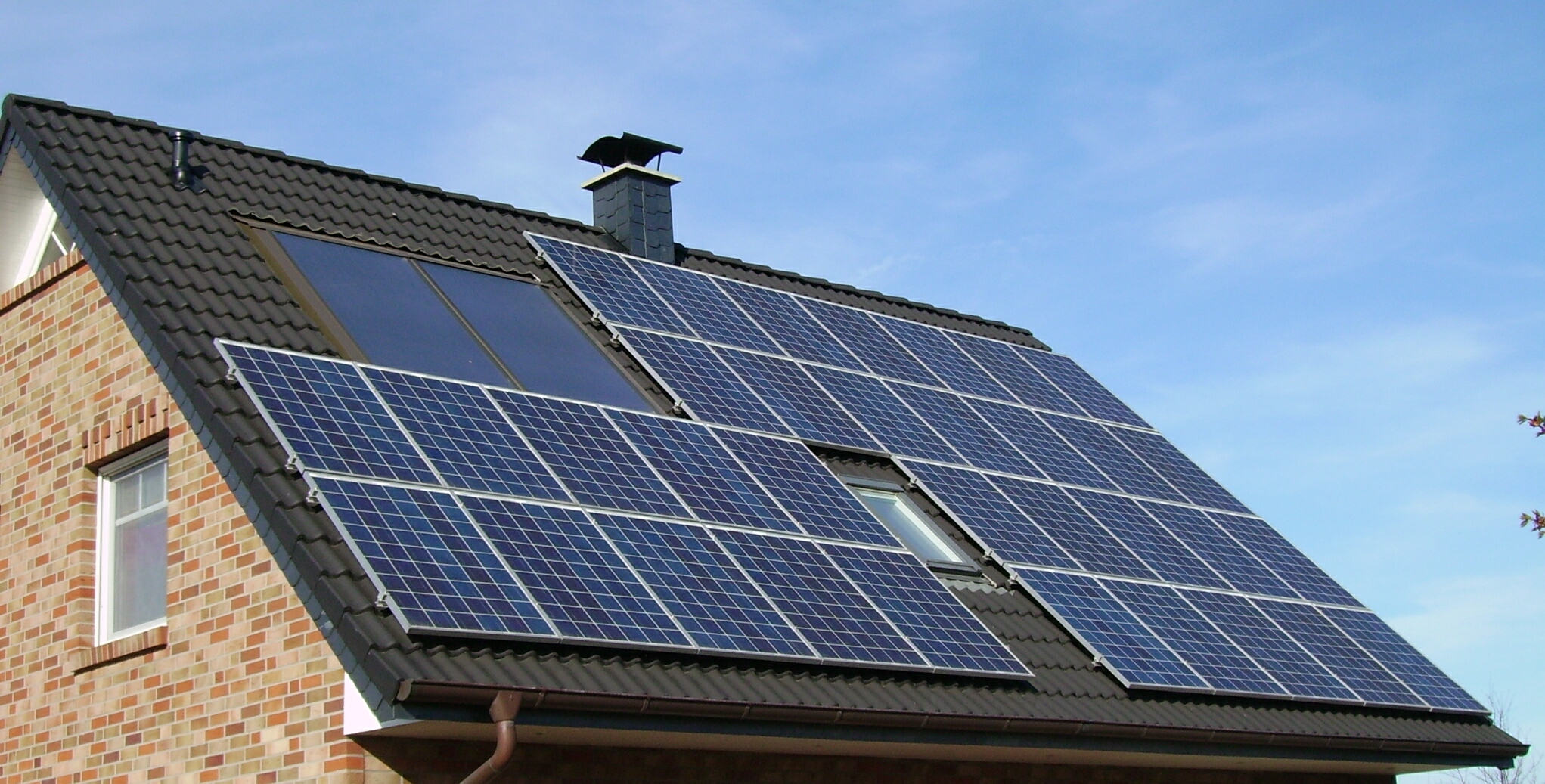
A photovoltaic system generates electricity when the sun is shining — which rarely aligns perfectly with household consumption patterns. Battery storage bridges this gap, allowing surplus midday generation to be used in the evening and overnight. For Czech homeowners, where electricity prices have varied considerably since 2022, the decision to include storage involves a set of technical and economic variables worth understanding before committing to a specific product.
Why Battery Storage Changes the Economics
Without storage, excess solar generation is either exported to the grid (at a low or zero feed-in rate) or wasted. A battery allows a household to increase its self-consumption ratio — the share of generated electricity consumed on-site — from a typical 30–40% without storage to 60–80% with an appropriately sized battery. The financial case depends on the spread between the electricity buy price and the effective value of stored energy, which varies by tariff and usage pattern.
In the Czech Republic, grid electricity prices for residential customers averaged approximately 5–7 CZK/kWh in 2025 depending on the distribution area and tariff band. The value of avoided grid purchases is the primary financial driver, since Czech feed-in rates for small distributed sources are modest.
Main Battery Technologies
Lithium-Ion NMC (Nickel Manganese Cobalt)
NMC chemistry is common in early-generation residential storage products such as the original Tesla Powerwall and early BYD Battery-Box models. It offers high energy density (150–200 Wh/kg), which means compact physical dimensions for a given capacity. The trade-off is thermal stability: NMC cells require careful thermal management and are more sensitive to high-temperature environments than LFP alternatives. Cycle life is typically 2 000–4 000 cycles at 80–90% depth of discharge (DoD).
Lithium Iron Phosphate (LFP)
LFP has become the dominant chemistry for new residential installations in Europe since approximately 2022. Its principal advantages are cycle life (3 000–6 000 cycles at 90–100% DoD depending on manufacturer), improved thermal stability, and no cobalt in the cathode material. Energy density is lower than NMC (90–160 Wh/kg), resulting in physically larger units for the same usable capacity. Products such as the BYD Battery-Box Premium HVS, SolarEdge Home Battery, and various Pylontech units use LFP chemistry.
For a Czech garage or utility room installation, the lower temperature sensitivity of LFP is practical: the technology tolerates the 0–40 °C range commonly experienced in unheated spaces without significant capacity degradation, provided it is not charged below 0 °C.
Lead-Acid (VRLA and OPzV)
Flooded lead-acid and VRLA (valve-regulated) batteries have a long history in off-grid and backup systems. For grid-tied residential solar storage, they have largely been displaced by lithium-based products because of their lower cycle life (400–1 200 cycles at 50% DoD), heavier weight, and more frequent maintenance requirements. They remain in use in some retrofit scenarios where the lower upfront cost is the primary constraint, and in off-grid installations where the management of charging profiles is already part of the system design.
Sizing: How Much Storage Is Enough?
The standard approach to sizing residential storage starts with the daily consumption profile rather than the PV array size.
- Determine average daily consumption (kWh) from 12 months of utility bills. Czech households in detached houses typically average 10–25 kWh/day including heating.
- Identify the evening-overnight demand — the portion of daily use that cannot be covered by direct solar generation. For a household with two working adults, this is often 5–12 kWh.
- Size the usable battery capacity to cover 80–100% of that evening-overnight demand. A battery rated at 10 kWh with 90% usable DoD provides 9 kWh net.
- Ensure the inverter's battery charge/discharge rate (in kW) matches peak demand. An inverter limited to 3 kW charge rate on a 10 kWh battery takes 3+ hours to fully charge — which is fine for solar charging during a 6-hour sun window but limits rapid charge from grid fallback.

Battery Placement and Czech Regulatory Notes
Czech installation standards require that lithium battery storage systems above a certain energy threshold (currently 5 kWh per unit) be installed in a fire-rated compartment or with appropriate separation from living areas. The relevant standard is ČSN EN IEC 62619, which governs safety requirements for secondary lithium cells. Installers certified under the Czech NKZM (National Commission for Qualifications) are familiar with the applicable local requirements, but it is worth confirming compliance during the design phase.
Battery systems connected to a grid-tied PV installation must be declared to the relevant distribution system operator (DSO — e.g. ČEZ Distribuce, E.ON Distribuce, or PREdistribuce). The process for adding storage to an existing installation is handled through the same portal as the original grid connection application, with an updated technical documentation submission.
Cost Benchmarks for Czech Market (2025–2026)
Installed costs for complete residential battery storage systems (including inverter integration, cabling, and commissioning) in the Czech market as of early 2026:
- 5 kWh LFP system: approximately 60 000–90 000 CZK installed
- 10 kWh LFP system: approximately 90 000–140 000 CZK installed
- 15 kWh LFP system: approximately 130 000–190 000 CZK installed
These figures are indicative and vary with brand, system complexity, and regional installer pricing. NZÚ subsidies may reduce the net cost — see our regulations overview for eligibility criteria.
Battery pricing is changing quickly as manufacturing capacity scales. Quotes obtained 12 or more months apart may differ significantly. Obtain current quotes from at least two certified Czech installers before proceeding.
Battery Chemistry and Panel Type Interaction
The battery inverter or hybrid inverter must support the charging voltage range of the chosen battery chemistry. LFP cells operate at a different nominal voltage than NMC, and mixing an NMC battery with an inverter calibrated for LFP charge profiles will reduce cycle life and may trigger warranty issues. Most current hybrid inverters (Fronius, SMA, Huawei, SolarEdge, GoodWe) support both chemistries through configurable battery profiles, but this should be confirmed at specification stage. For context on panel selection, see our panel types guide.